

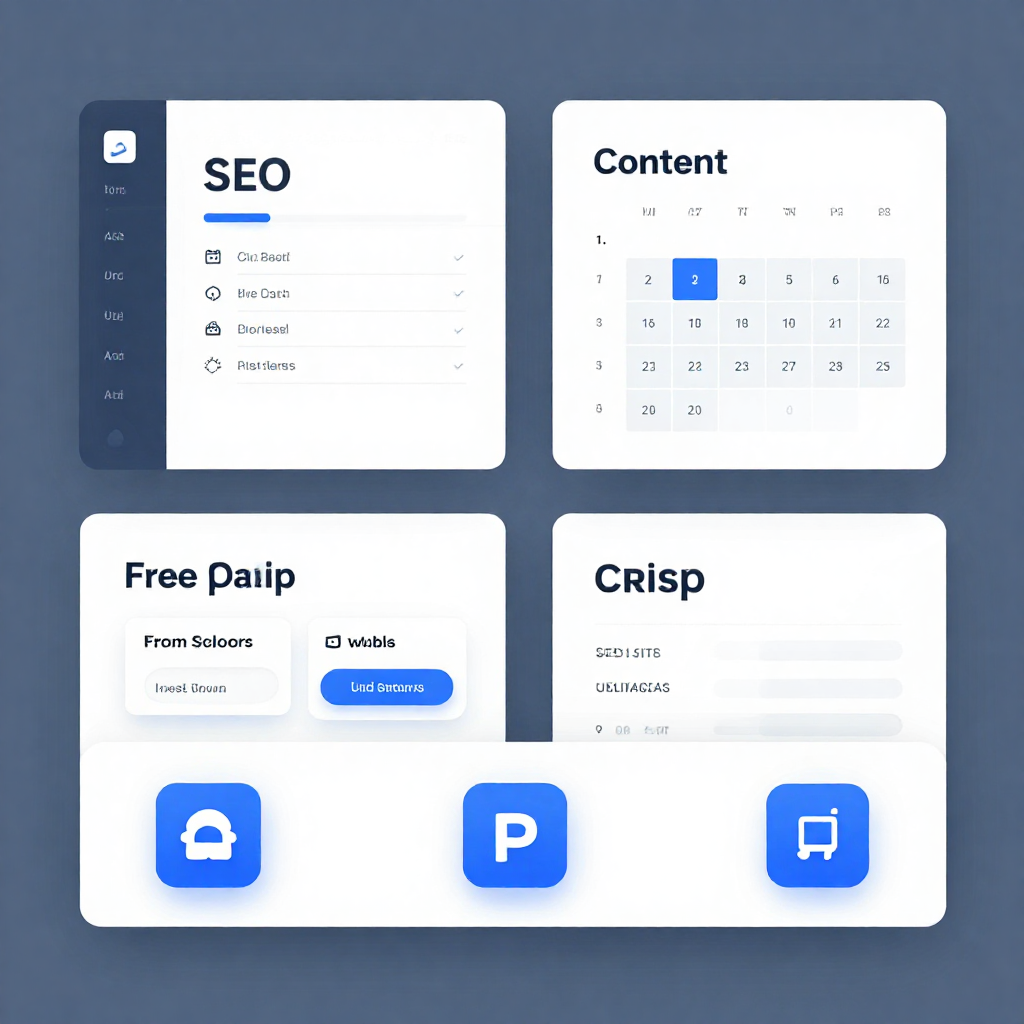
Using the right online marketing tools is essential for businesses that want to grow faster, reach more customers, and improve their digital presence. In 2026, marketing is more data-driven and competitive than ever. The good news is that there are many powerful tools available—both free and paid—that can help you manage campaigns, analyze performance, and increase conversions.
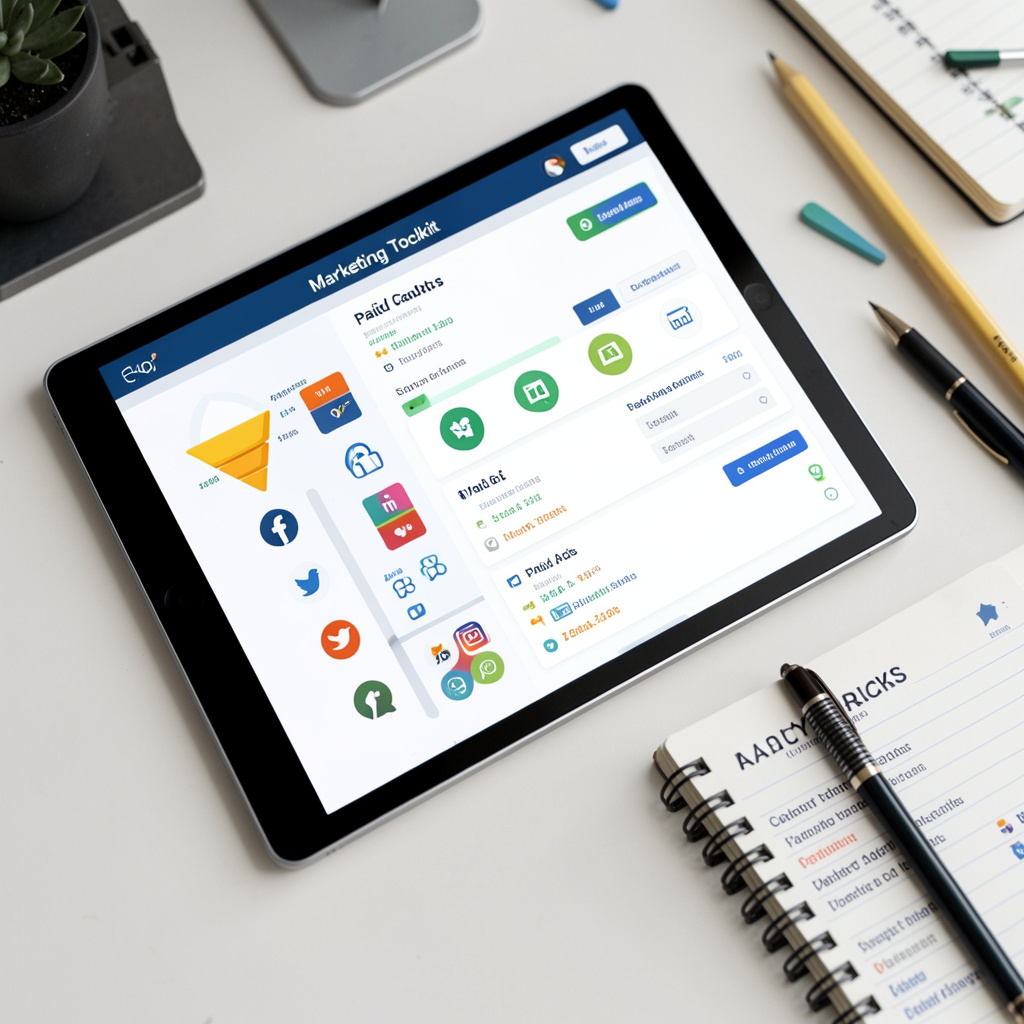
1. SEO Tools
Search engine optimization remains one of the most effective ways to attract long-term traffic. SEO tools help you find keywords, analyze competitors, and improve your website ranking.
Popular online marketing tools for SEO include:
- Google Analytics – Tracks website traffic and user behavior.
- Google Search Console – Helps monitor how your site performs in search results.
- Ahrefs – A powerful paid tool for backlink analysis and keyword research.
These tools provide insights that help you optimize your content and increase visibility on search engines.
2. Social Media Marketing Tools
Managing multiple social media platforms can be challenging without proper tools. Social media marketing tools help schedule posts, analyze engagement, and track growth.
Some useful online marketing tools for social media include:
- Hootsuite – Allows you to schedule and manage posts across different platforms.
- Buffer – Simple and effective for planning content.
- Canva – Helps create professional graphics for marketing campaigns.
Using these tools helps businesses stay consistent and improve audience engagement.
3. Email Marketing Tools
Email marketing continues to deliver one of the highest returns on investment in digital marketing. With the right platform, you can build email lists, automate campaigns, and analyze results.
Recommended online marketing tools for email marketing include:
- Mailchimp – Offers automation and analytics features.
- ConvertKit – Designed for creators and online businesses.
- Brevo – Provides email marketing and CRM features.
These platforms make it easier to communicate directly with your audience and build strong relationships.
4. Content Marketing and SEO Writing Tools
Content plays a major role in attracting and educating potential customers. Content marketing tools help with writing, optimization, and content planning.
Useful online marketing tools for content creation include:
- Grammarly – Improves grammar and clarity in your writing.
- Surfer SEO – Helps optimize articles for search engines.
- Notion – Useful for planning marketing strategies and content calendars.
These tools help ensure your content is clear, optimized, and valuable to readers.
5. Advertising and PPC Tools
Paid advertising is another effective strategy for quick results. Advertising tools help you manage campaigns, target the right audience, and track performance.
Important online marketing tools for advertising include:
- Google Ads – Enables businesses to run search and display ads.
- Meta Ads Manager – Used for advertising on Facebook and Instagram.
- Semrush – Offers advertising research and competitor insights.
Using these tools helps businesses increase visibility and reach customers faster.
6. Analytics and Performance Tracking Tools
Measuring performance is essential in marketing. Without data, it is difficult to know what is working and what needs improvement.
Key online marketing tools for analytics include:
- Hotjar – Shows user behavior through heatmaps and recordings.
- Microsoft Clarity – Helps analyze how visitors interact with your website.
- HubSpot – Combines marketing, sales, and analytics in one system.
These tools help businesses make better decisions based on real data.
Final Thoughts
Choosing the right online marketing tools can significantly improve your marketing results in 2026. From SEO and social media management to email campaigns and analytics, these tools help simplify complex tasks and increase efficiency.
The key is to start with the tools that match your business goals and budget. Many platforms offer free plans, which makes it easier for startups and small businesses to begin. As your business grows, you can upgrade to paid options that provide advanced features.
By using the right online marketing tools, you can streamline your workflow, understand your audience better, and achieve consistent growth in the digital marketplace.